
Innovations in Queer Care
About the project
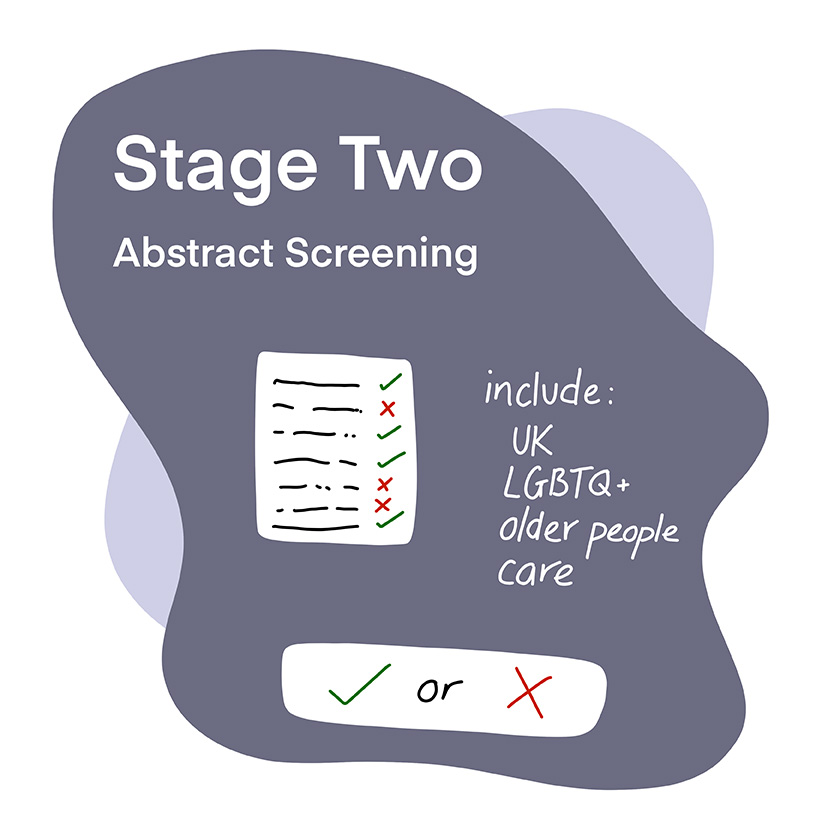
We are looking at the ways in which older LGBTQ+ people (often considered to be those age 55 and older) receive care, which could include:
- Retirement homes
- Care homes
- Domiciliary care services
- Groups that provide support
- Care schemes (such as supported living)
- Support groups
- Digital tools
- Training for staff
And many others! We are specifically interested in innovation in care, which can mean newly developed models of care, existing models being adapted for LGBTQ+ communities, or existing models being applied in new, novel ways.
The aim of the project is to collect all of the information about this subject into one place. The way we will do this is by doing a ‘systematic scoping review’, which is a type of evidence review that looks at the bigger picture.
What is a scoping review used for?
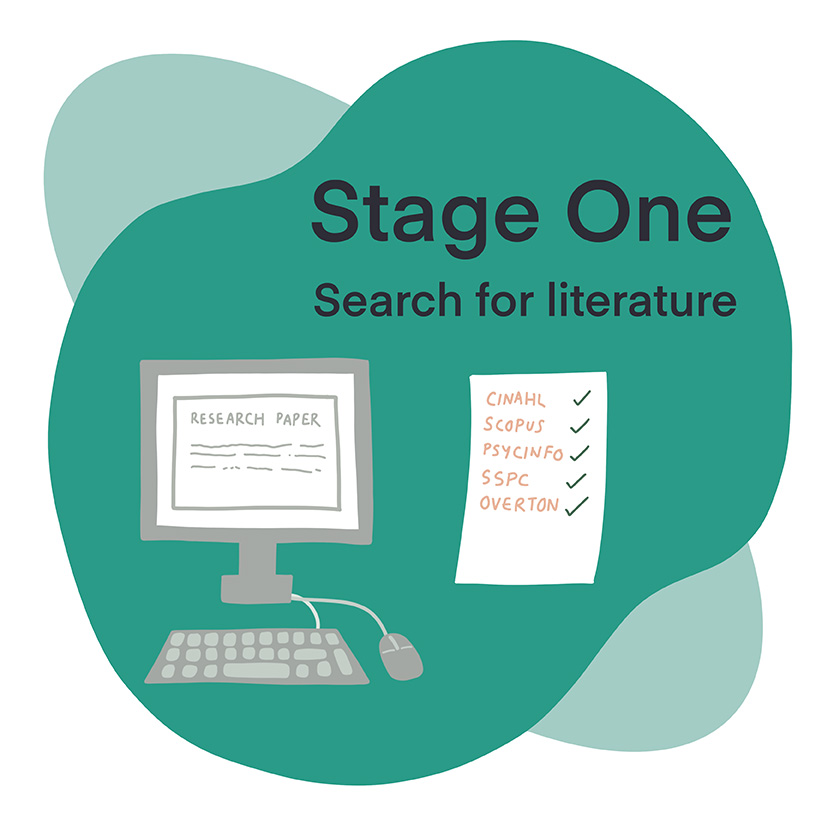
A scoping review is where researchers do systematic, methodical searches in a variety of databases to collect all of the relevant information on one topic. While normal systematic reviews look at very narrow, specific areas, a scoping review addresses a broader, bigger picture.
This way, we can present all of the information in one place, allowing people to get a sense of what evidence is available.
Why is this research important?
Older LGBTQ+ people face inequalities in health and social care (for a review of literature on health inequalities, see Kneale et al., 2021), such as discrimination, heteronormative culture, barriers to support, and invisibility. It is important to make sure that older LGBTQ+ people receive equitable care that affirms and supports their identities, and innovation in care is vital for improving and adapting models of care for different people. There are no existing reviews on this subject, and this research will fill that gap.
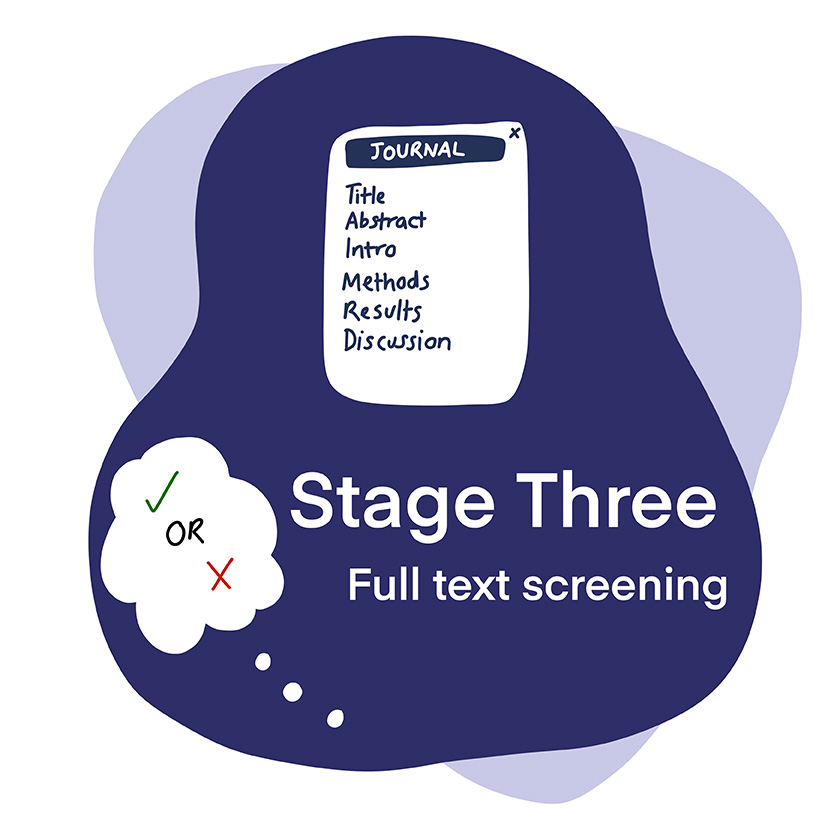
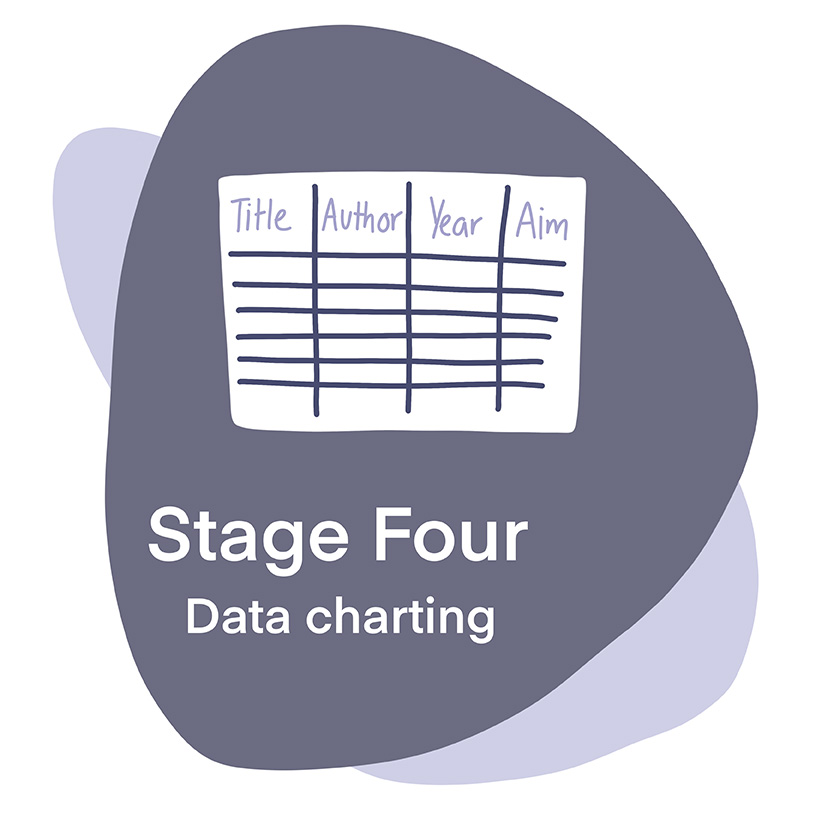
Project stages
Members
This work is led by Dr. PJ Annand at the University of Sheffield.