
Digital Care top ten
About the project
We are looking at digital technology in social care, and we are trying to bring together groups of people with lived or professional experience in social care to decide on the most important areas for research in this area. To do this, we are going to work with the JLA.
What is the JLA?
The JLA is the James Lind Alliance, a UK-based non-profit making initiative, established in 2004. The JLA brings together clients, carers, and health professionals together, to identify unanswered questions in research and agree on the most important questions together. The JLA does this by setting up a PSP.
Tell us what you think about digital tech and help improve future support
The Digital Care and Innovation theme at the Centre for Care has brought together a group of people with lived experience of care and support, unpaid carers, care workers, and professionals. Together we will form a Priority Setting Partnership (PSP), with the aim of identifying the most important unanswered research questions about digital technologies for living independently at home and in the community.
Our first step is a public survey gathering views from people with personal and professional experience. We would really value your input.
Click here to learn more and access the survey.
What is a PSP?
A PSP stands for a Priority Setting Partnership, which is a group of people brought together to agree on priorities for future research. This group of people include researchers, clients (i.e. patients and/or people who draw on care and support), carers, and health professionals, working together to decide on the most important research areas going forwards.
- This PSP is about digital technology in social care within England, which can include things such as:
- Smartphone applications, such as medication management apps
- Electronic assistive technologies, such as adapted keyboards for computers, and text-to-speech technology
- Remote monitoring and sensor systems, such as devices that monitor if someone has had a fall, or if someone has left their house unexpectedly (in the case of, for example, a patient with dementia)
- Digital resources for self-management and care coordination, such as online platforms that have self-help guides and resources for managing symptoms at home
- AI-enabled decision support tools and wearable devices, such as home ECG monitors
Why is this research important?
Digital care technologies are being increasingly embedded in health and social care systems, especially after the COVID-19 pandemic which sparked a large increase in digital solutions. Digital solutions have many potential benefits, but there are questions that must be answered about how effective they are, and how they can be made accessible for all people, how people feel about digital care, and what sort of ethical and data issues arise in digital care.
There is a lot of research into technology development, but research has often struggled to keep up with the realities of using technology in social care settings. The PSP will gather and prioritise unanswered research questions in digital care, with a focus on the voices of under-represented groups and care settings.
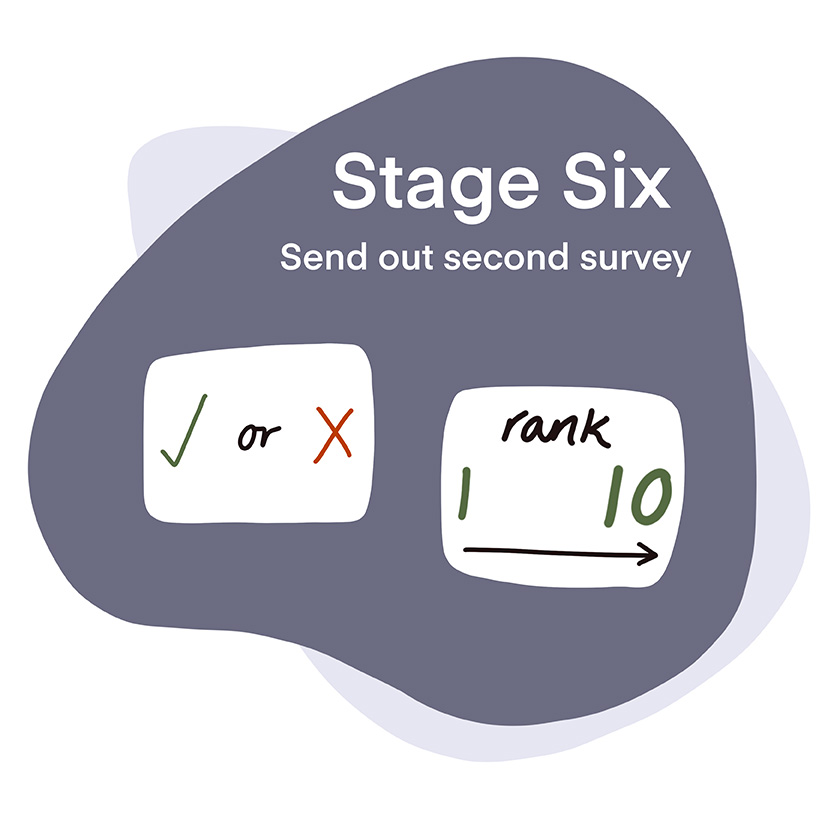
Project stages

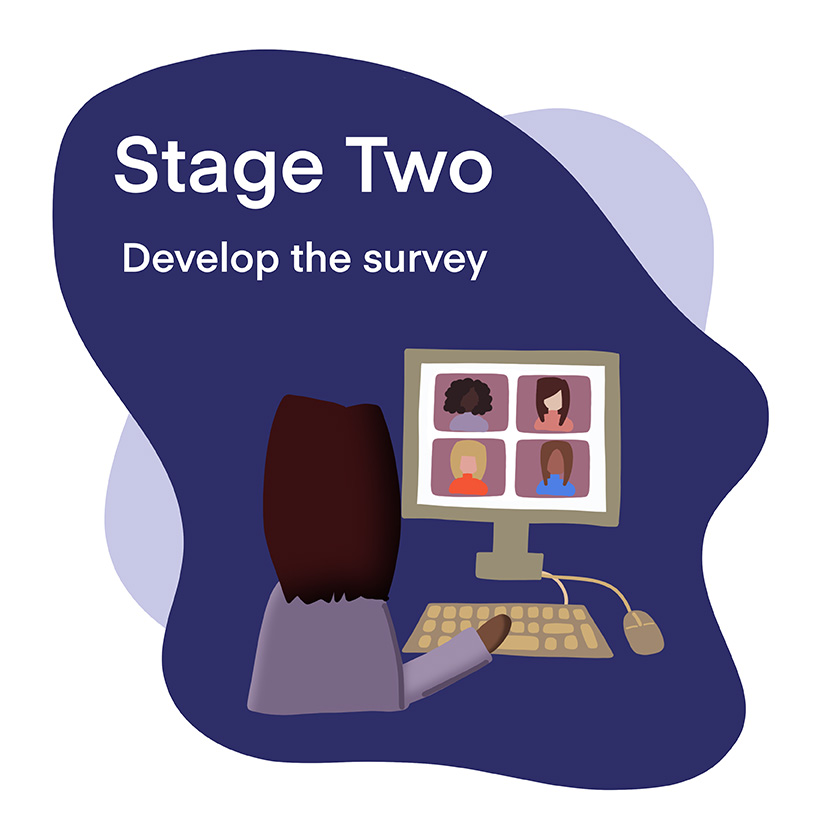
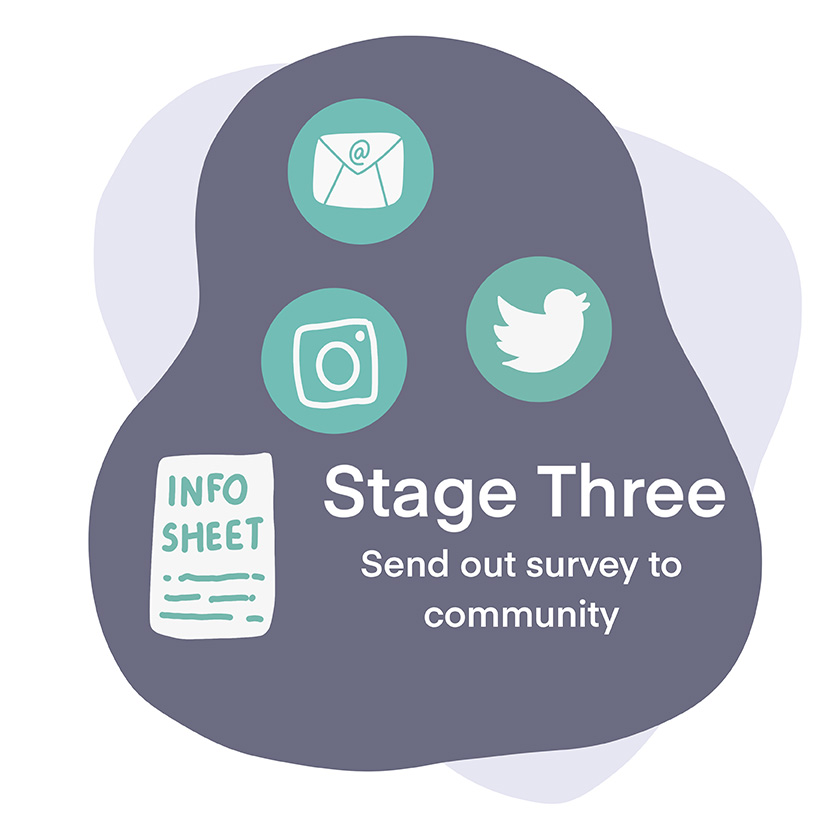
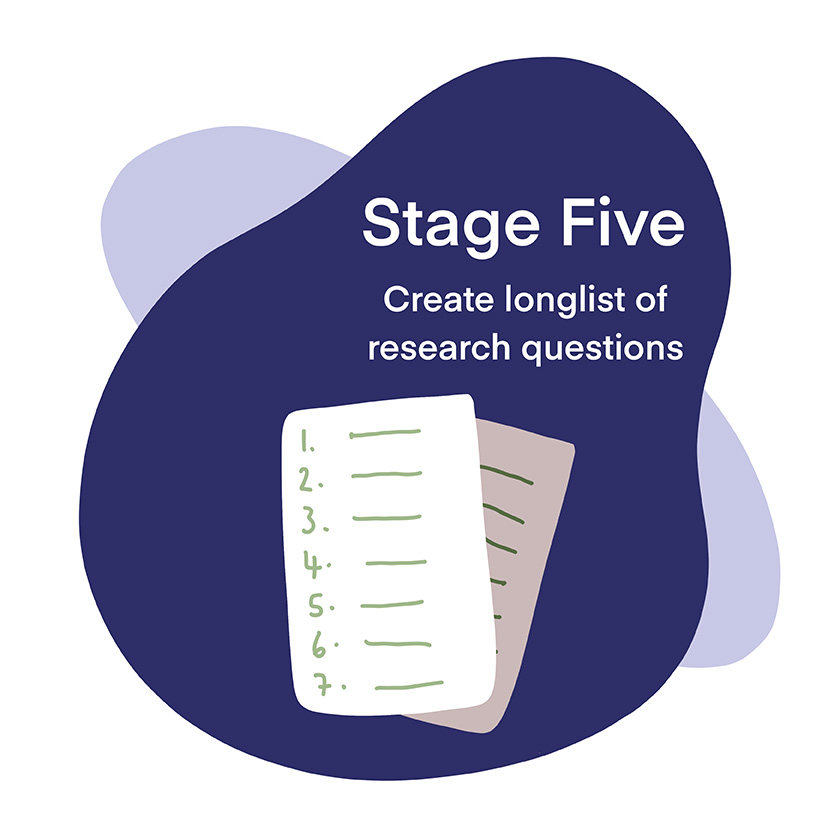


Related commentaries
Commentary pieces relating to Digital Care
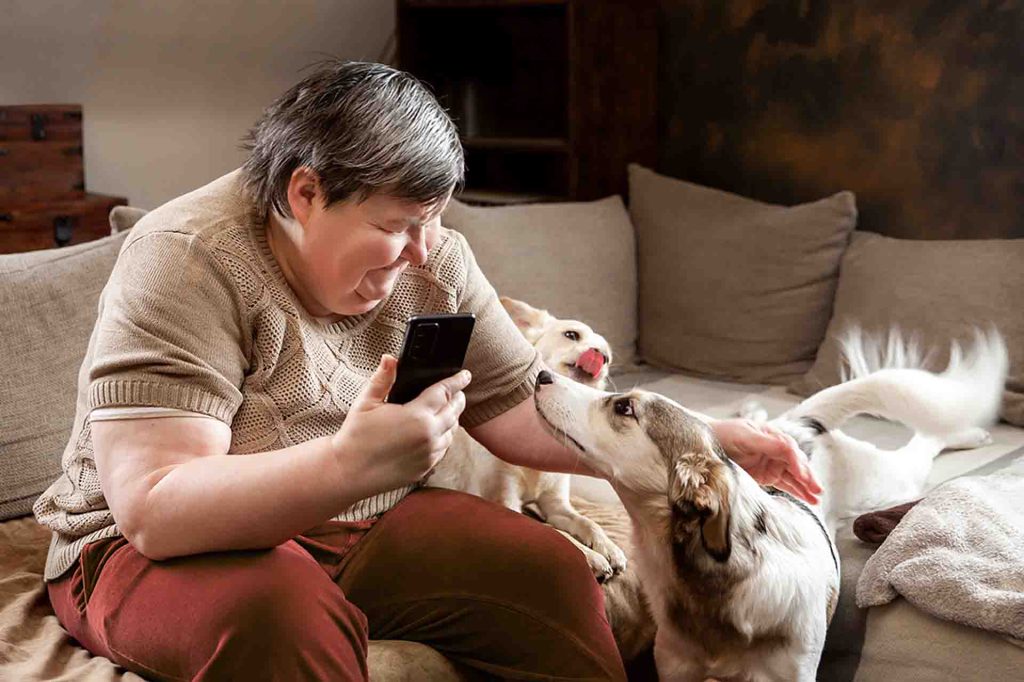
Are you a carer for someone with a learning disability? We are inviting people to complete a survey for a research project called TEC-LD (Enhancing Transparency, Explainability, and Consent in Technology for adults with learning disabilities), carried out at the University of Sheffield in the National Institute for Health and Care Research School for Social […]
Read More about New survey explores how adults with a learning disability use everyday technologies
It’s Carers Week 2026 and this year the theme is “Building Carer-Friendly Communities”. The Centre for Care is studying unpaid carers, and care more broadly, in different community settings so we have put together a roundup of some of our community-focused research, and opportunities to get involved in improving support for carers in the UK. […]
Read More about Carers Week 2026: ‘Building Carer-friendly communities’
We welcomed Dr Tom Ryan from the NIHR School of Social Care Research to present ‘No one wants to talk about it: Exploring transitions in family care for people with learning disabilities’ as part of our Seminar Series. A recording of the presentation is available to watch on this page.
Read More about Seminar: No one wants to talk about it: Exploring transitions in family care for people with learning disabilities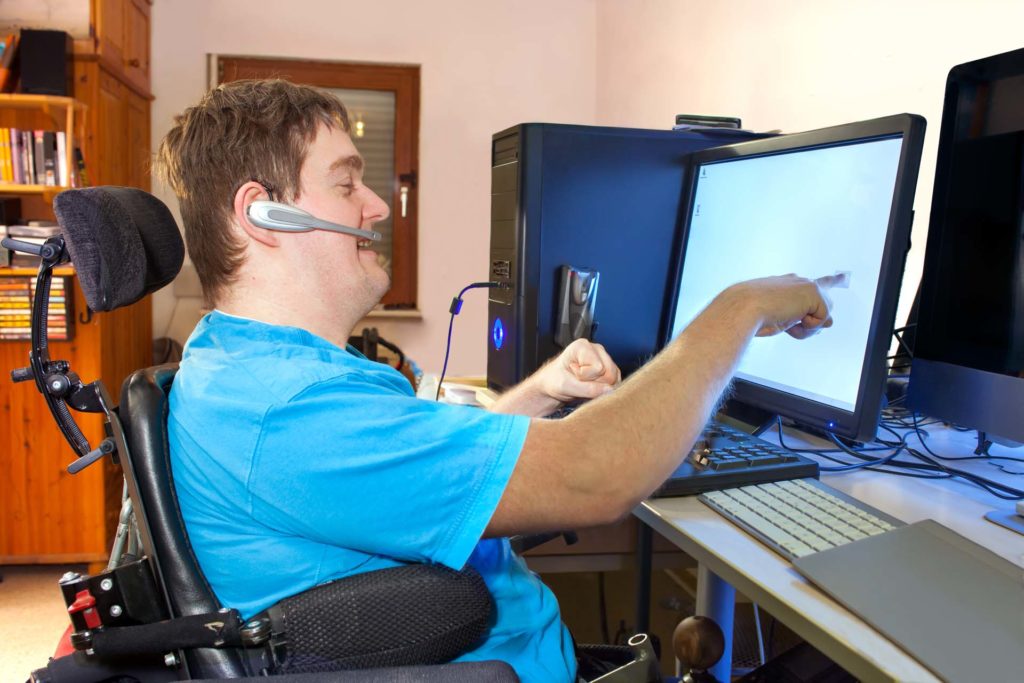
Tell us what you think about digital tech and help improve future support The Digital Care and Innovation theme at the Centre for Care has brought together a group of people with lived experience of care and support, unpaid carers, care workers, and professionals. Together we will form a Priority Setting Partnership (PSP), with the […]
Read More about What should ‘digital social care’ research focus on? Have your say
Recent Publications
A selection of recent publications relevant to Digital Care.
Members
This work is led by Dr. PJ Annand at the University of Sheffield.