Children and Families
How support can be redesigned to strengthen families and improve outcomes.
The Children and Families theme examines how inequalities and social harms become ‘care’ and ‘protection’ concerns for children — and how support can be redesigned to strengthen families and improve outcomes. We examine how families experience services across early help, Child in Need support, child protection, kinship care and out-of-home care, and how pathways through systems shape children’s safety, wellbeing and life chances.
A key conceptual anchor for the theme is the social model of child protection. This perspective challenges approaches that emphasise individual parental deficits, and instead asks how structural and systemic conditions—poverty, insecure housing, racism, unequal access to support, and wider service pressures—shape family life and children’s safety. It shifts attention towards prevention, early help, and relational, rights-respecting practice: support rather than surveillance, and a clearer focus on the root causes of harm.
Across the theme, we ask:
- How do inequalities shape professional thresholds, decisions and interventions? For example, when and how are the impacts of hardship and adversity interpreted as “neglect”, and with what consequences for children and families?
- What helps families stay safely together? Which combinations of early support reduce avoidable escalation into statutory intervention, and how can services respond earlier without becoming more intrusive or punitive?
- Why do experiences and outcomes vary so widely between areas? Why do similar families experience different thresholds, pathways and outcomes in different local areas—and what can be learned from local variation and local system design?
- What evidence is needed to support learning and accountability in children’s social care? How can better use of linked data, and stronger public involvement, support improvement in practice and policy?
This agenda is reflected in two current NIHR-funded studies (in partnership with the University of Liverpool and Liverpool City Council):
- our Three Schools Prevention Programme project on preventing care entry through a better understanding of “neglect”
- and our Practitioner Evaluation Scheme study of the Family Safeguarding Model in Liverpool and how it can better integrate anti-poverty support.
Our work intends to shift public understanding, strengthen professional practice, and contribute to policy debate on how we support and protect children and families. We do this by translating research into accessible, partner-facing outputs that can be used in real-world settings, as is evident in our past projects; for example:
- Safeguarding Futures (with the Centre for Justice Innovation) sets out practical, cross-system recommendations for reducing criminal justice involvement among children in contact with social care.
- Through our partnership with Kinship, Valuing Kinship Care in England highlights the £4.3 billion per year contributed by kinship carers through their care for over 132,000 children. By emphasising the scale and value of kinship care, we shine a light on the unevenness of current support and strengthen the evidence base for a policy and practice agenda focused on improving local support.
Alongside these funded projects, this theme supports a growing community of doctoral research addressing diverse topics—including fostering and out-of-home care experiences, young carers and support systems, and safeguarding processes in urgent and emergency care settings. We welcome enquiries from other potential doctoral students.
Report by the Centre for Care in partnership with Kinship
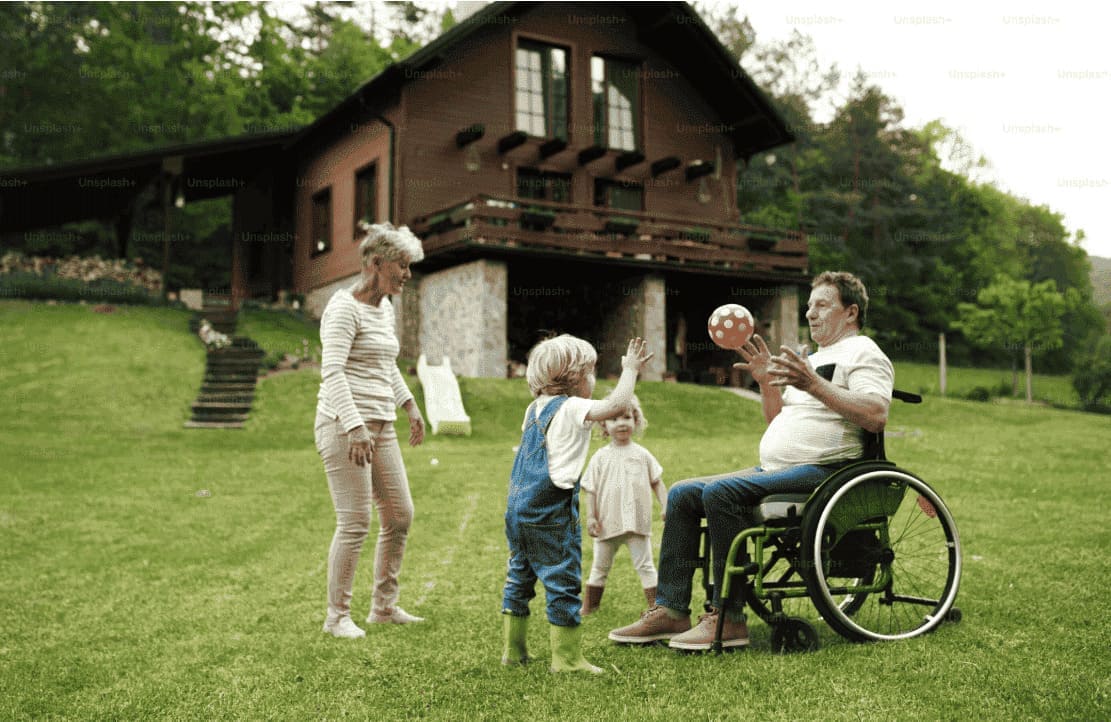
‘Kinship care’ is an umbrella term for anyone who looks after the child of a family member or friend – they might be grandparents, aunts, uncles, older siblings or a close family friend. Centre for Care research uses Census data to estimate that there are over 132,000 children living in kinship care arrangements in England – without someone stepping up to care for them, many of these children would otherwise be placed in a struggling care system (e.g. in foster or residential care).
Through this research, we wanted to highlight the profound – and often invisible – contribution of kinship carers to society, so we calculated the economic value of their support, by looking at the cost of caring for a child in alternative foster care for every local authority in England. This comes to a staggering £4.3 billion a year.

Posts related to on Children and Families

Professor Nathan Hughes responds to the UK Government’s 2025 Spending Review in relation to children’s social care.
Read More about Can New Money Shift Old Systems? What the 2025 Spending Review Might Mean for System Change in Children’s Social Care
The Centre for Care team respond to last week’s 2025 UK government Spending Review.
Read More about Left on the Back-Burner: Adult Social Care and the 2025 Spending Review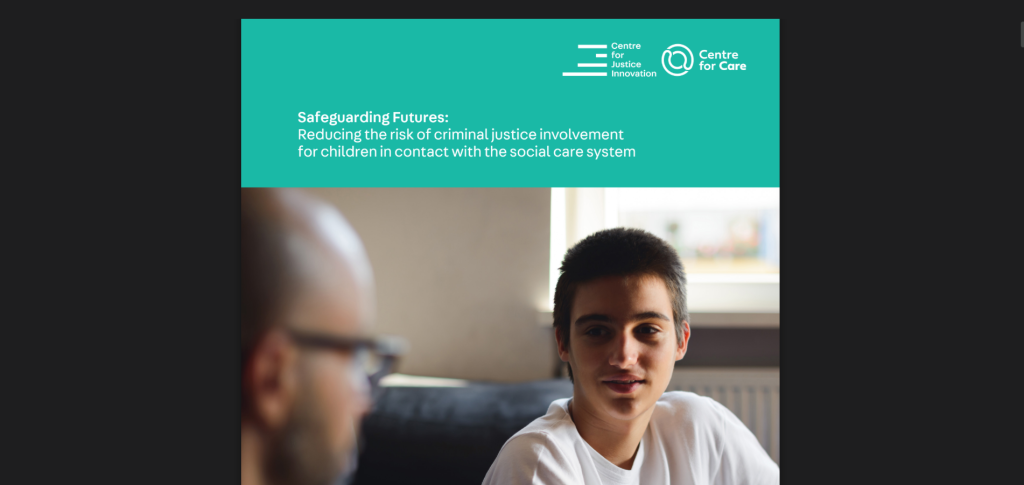
In recent research carried out at the University of Sheffield, we explored whether children who had a social worker or were in care experienced worse outcomes in the criminal justice system than other children.
Read More about Supporting Vulnerable Children in the UK Care SystemFor National Children’s Day (UK), Becky Driscoll discusses our research in collaboration with Kinship, highlighting the need to provide further support to kinship carers.
Read More about Time to value kinship carers
Recent Publications
Members
The Children and Families team is led by Professor Nathan Hughes at the University of Sheffield