This is a guest commentary and does not necessarily reflect the views of the Centre for Care, its partner organisations or its funders.
When Brian (not his real name) met his ex-partner he became a carer. Sadly, his ex-partner began to carry out abusive behaviour against him and after several years Brian left. This commentary explains how he transitioned into the role of a carer and how he transitioned out of the role.
Brian was a very successful professional for over 20 years. After he met his ex-partner he became a carer. His partner gradually began to carry out abusive behaviour. Brian would lie awake feeling anxious and thinking:
“What’s going to blow up today?”
He would go for a 10-mile walk every day to be out of the house and to avoid conflict with his partner. Things began to get worse and there were times that Brian would have to call the police. The police made a referral to Social Services and Brian received a call from a social worker. He noted:
“She said, “I’m the duty social worker, can we talk?”. My ex-partner was there and I said, “I can’t talk right now”. She insisted to talk despite knowing the context, because it was a referral from the police. I had to ask to end the call.”
This highlights that there can be multi-disciplinary work between public services, e.g., the police and social services. However, the social worker made Brian feel belittled for not talking with her – a lack of insight on her part.
He later called back Social Services and gave feedback, stating that how the social worker handled the call was wrong. He said:
“If it was a girl who was being battered then it would have affected her negatively in that situation.”
Brian advocated for himself and for others in the same kind of situation, with the hope that the service will be improved.
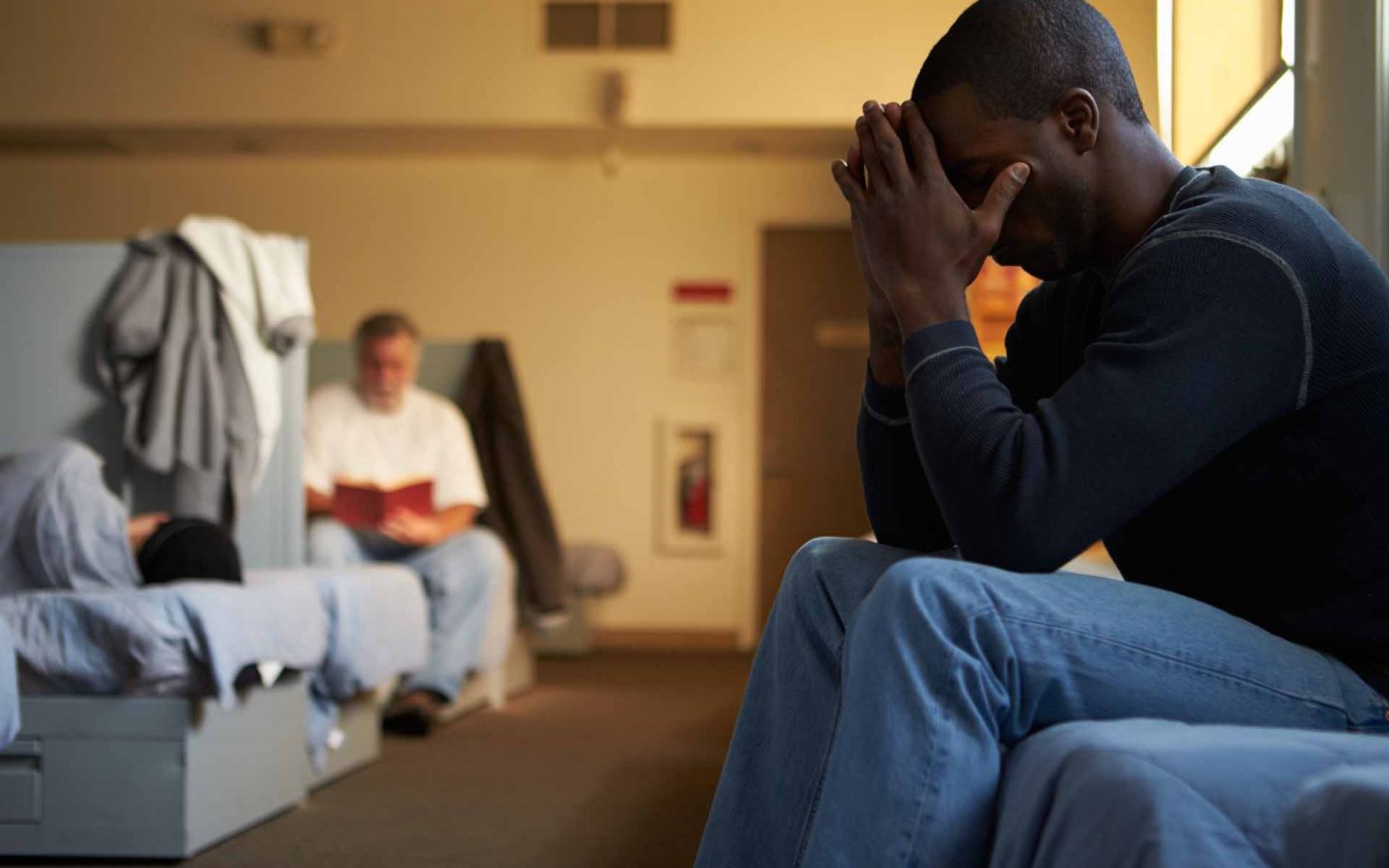
He finally left his ex-partner, although by doing so he became homeless and is currently staying at a friend’s place. He said:
“I’m not in in a financial position to go “You know what, I can up and leave.” I can’t do that. I’m stuck here.”
Domestic abuse can affect a carer psychologically, emotionally and financially. Health and social care services ought to be better informed about the effects of such a transition and support people more effectively.
Brian’s experiences were very traumatic, and he is on a healing journey. He volunteers in a local café and said:
“Doing something so mundane as washing pots in a café is what I need. I’m picking up hobbies I used to do. All I want is a bit of peace and quiet, to put on my headphones and listen to Radio 4 and just do nothing.”
These coping strategies demonstrate the negative effect that domestic abuse can have an on a partner who was also a carer.
Brian is now recuperating and healing. Multi-disciplinary work on the part of public services can potentially help. However, if a professional is not sensitive to the negative home situation a person is in then the situation may become worse. There also ought to be better support regarding mental health, housing and finances for a carer who must leave a partner.
Acknowledgements
Thank you to: Changes Plus for their work and input; and Hayrunisa Pelge for writing the commentary.
Read more on the Transistions that Matter below
The Transitions that Matter commentary series
Summary Report: The Transitions that Matter
Working Paper 4: The Transitions that Matter